Northern Beaches Council BANS 1080 POISON
Councillors voted 8–3 to support a permanent ban. Your emails changed the vote.
When state government rules banned public speaking at the council meeting, supporters used the only democratic tool left—email—to send 6,096 messages flooding councillor inboxes with a clear demand. The result: one of the first councils in NSW to formally resolve against 1080 poison.
Donate to Fund the Next VictoryWhat Happened
On 17 February 2026, Northern Beaches Council voted 8–3 to support an amendment banning 1080 poison from all Council operations. Greens Councillor Ethan Hrnjak championed the amendment, and councillors overwhelmingly backed it.
Council staff had recommended that councillors simply "note" a report on 1080 use, rather than implement a formal policy ban. But 6,096 emails made it impossible for councillors to look the other way. Community pressure—delivered through the only democratic channel remaining after public speaking was banned—turned a bureaucratic rubber stamp into a historic vote.
NBC's 1080 Baiting History:
- 18 documented sites where 1080 has been used since 2018
- 12 specific locations including Manly Dam, Dee Why Lagoon Wildlife Reserve, Middle Creek Reserve, Allenby Park, and Forestville Park
- Multiple operations in 2018, 2019, 2020, and 2023
This victory proves that community pressure works. Help us take this fight to every council in NSW.
Why This Ban Matters

Lethal to All Mammals
No Known Antidote Exists
- Dogs are extremely vulnerable to 1080 poisoning
- Death takes 5–11 hours, but animals suffer for much longer
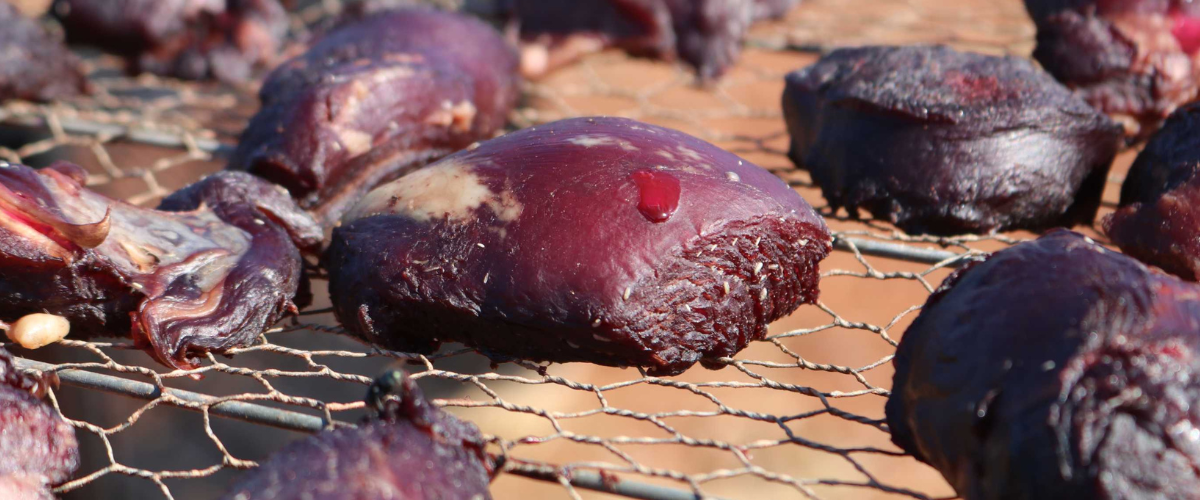
- NBC used "Foxoff Econobaits" containing 3mg per bait
Threatens Northern Beaches Wildlife
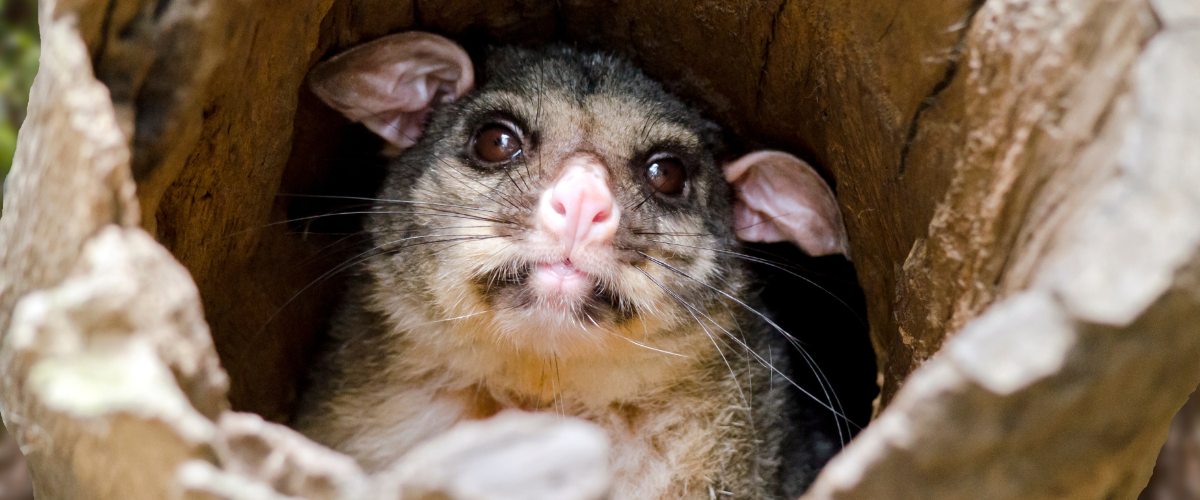
25+ Native Species at Risk
NBC is home to numerous species at heightened risk during 1080 baiting programs:
Some species are carrion eaters that investigate baits. Others are omnivorous and consume previously poisoned animals.
Secondary Poisoning Persists
Long-Term Environmental Contamination
- Toxic carcasses remain dangerous to scavengers for over 7 months
- Maggots in meat baits accumulate toxin sufficient to kill insectivorous birds
- Corvids (crows, ravens) can move baits outside target zones
Surrounded by 1080 Programs
NBC Must Lead by Example
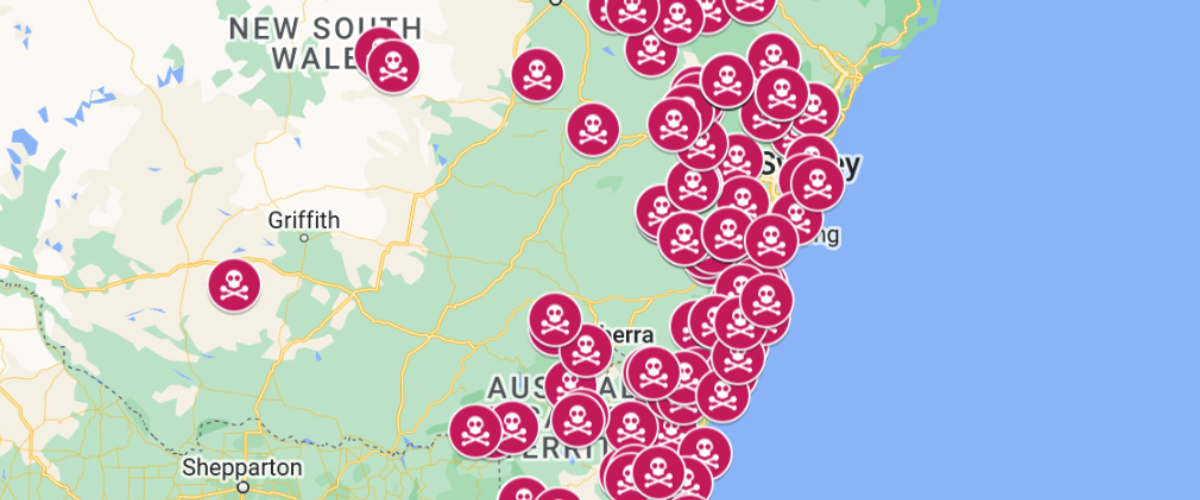
Multiple programs operate around Northern Beaches bushland. While NBC has paused its own use, our community's pets and wildlife remain at risk.
The Evidence: NBC's Documented 1080 Use
The Coalition Against 1080 Poison has systematically documented NBC's 1080 baiting history through Freedom of Information requests and public records.
10 Documented Baiting Sites Across Northern Beaches
Click pins to see location details and baiting history
Poison Delivery Methods Used by NBC
Understanding how 1080 was deployed across these sites
Without a Formal Ban, These Operations Could Resume at Any Time
NBC has a documented pattern of 1080 use across our community's most beloved bushland reserves - places where families walk their dogs, children play, and native wildlife thrives. Community pressure stopped baiting in 2023. Now we must make that protection permanent.
How Your Emails Made the Difference
Under new regulations, the public could not speak at the Council meeting or display signs in the gallery. Email was the only democratic tool available—and together you sent 6,096 of them.
You Demonstrated Overwhelming Community Sentiment
6,096 emails flooded councillor inboxes before the vote—an undeniable wave of community concern that made it impossible to look the other way.
You Created Political Accountability
Every email created a public record. Councillors knew their constituents were watching how they voted—and 8 of 11 voted the right way.
You Gave Councillors the Mandate to Act
Your email volume gave councillors like Ethan Hrnjak the clear public backing to champion the amendment. It transformed a controversial decision into a responsive one.
The Vote: 8–3 in Favour of a Permanent Ban
Northern Beaches Council resolved to support the amendment banning 1080 poison from all Council operations—one of the first councils in NSW to do so.
Community Pressure Works
In 2023, our advocacy paused NBC's 1080 use. In 2026, your emails made that pause permanent.
This isn't theoretical. Residents refused to accept cruel, indiscriminate poisoning on public land—and now it's banned. Help us replicate this victory at councils across NSW.
The Result
On 17 February 2026, Northern Beaches Council voted overwhelmingly to ban 1080 poison from all Council operations.
6,096 emails flooded councillor inboxes before the vote. Greens Councillor Ethan Hrnjak championed the amendment. Northern Beaches is now one of the first councils in NSW to formally resolve against 1080 poison.
There are still hundreds of active 1080 programs across NSW. Your support makes it possible for us to challenge them, council by council.
Donate to Fund the Next VictoryThe Science Behind Our Campaign
The Coalition Against 1080 Poison conducts rigorous, peer-reviewed research using government data, Freedom of Information responses, toxicology studies, and regulatory frameworks. Our 2023 submission to NBC's Pesticide Use Notification Plan review demonstrates our commitment to evidence-based advocacy.
Comprehensive Baiting Documentation
Species-Specific Risk Analysis
Native Species Assessment
Legal Framework Examination
5 Evidence-Based Recommendations
Audit all pesticides using the precautionary principle
Reconsider 1080 use; explore humane alternatives
Amend notification plans to transparently reflect risks
Create a dedicated public portal for community awareness
Establish dialogue with stakeholders and NGOs
Our work is rigorous, not emotional. We use government data, peer-reviewed toxicology research, Freedom of Information responses, and regulatory frameworks to build irrefutable cases for reform.
One Council Down, Hundreds to Go
The Coalition maintains the only comprehensive public database of 1080 baiting programs in NSW. As of July 2025, we've identified 178 active NPWS programs—and that doesn't include council, Local Land Services, or private landowner baiting.
Northern Beaches is now one of the first councils to formally resolve against 1080. This victory is the template for every council that follows.
Precedent Set
NBC's 8–3 vote makes it easier for every council that follows to justify a ban
Proof of Concept
We've proven communities can end lethal poisoning through democratic action
Regulatory Pressure
Each local ban builds momentum for state and federal reform
Permanent Protection
NBC residents now have a formal policy ban, not just a temporary pause
This victory strengthens our case everywhere else. Help us fund the next one.
Frequently Asked Questions
Councillors voted 8–3 to support an amendment banning 1080 poison from all Northern Beaches Council operations. The amendment was championed by Greens Councillor Ethan Hrnjak. Council staff had originally recommended councillors simply "note" a report on 1080 use—the community's emails ensured they went further.
This ban applies to Council operations—meaning NBC can no longer authorise 1080 baiting on Council-managed land, including sites like Manly Dam, Dee Why Lagoon, Allenby Park, and Forestville Park. NSW National Parks and Wildlife Service (NPWS) programs on state-managed land operate under separate authority and are not covered by this Council resolution.
NBC documented use at 12 locations including Manly Dam, Dee Why Lagoon Wildlife Reserve, Middle Creek Reserve, Allenby Park, Ingleside Chase Reserve, Forestville Park, and others. All of these sites are now permanently protected from Council-authorised 1080 baiting.
Extremely dangerous. The lethal dose (LD50) for dogs is just 0.07 mg/kg. A single 3mg bait can kill up to 5 dogs. There is no known antidote, and death typically occurs 5–11 hours after ingestion.
Our research identified 25+ at-risk species in NBC including koalas (endangered in NSW), powerful owls (threatened), long-nosed bandicoots (endangered at North Head/Manly), brush-tailed possums, kookaburras, lace monitors, and brush turkeys.
There are hundreds of active 1080 programs across NSW. You can help by donating to fund our research, GIPA requests, and campaign materials; sharing this victory to raise awareness; and checking our interactive map to see if 1080 is being used near you.
Read our full 2023 submission to NBC's Pesticide Use Notification Plan review. It includes detailed toxicology analysis, species assessments, and 5 evidence-based recommendations. Download the NBC Research Report (PDF).